GOLD AND THE SUMERIANS. 𒅆
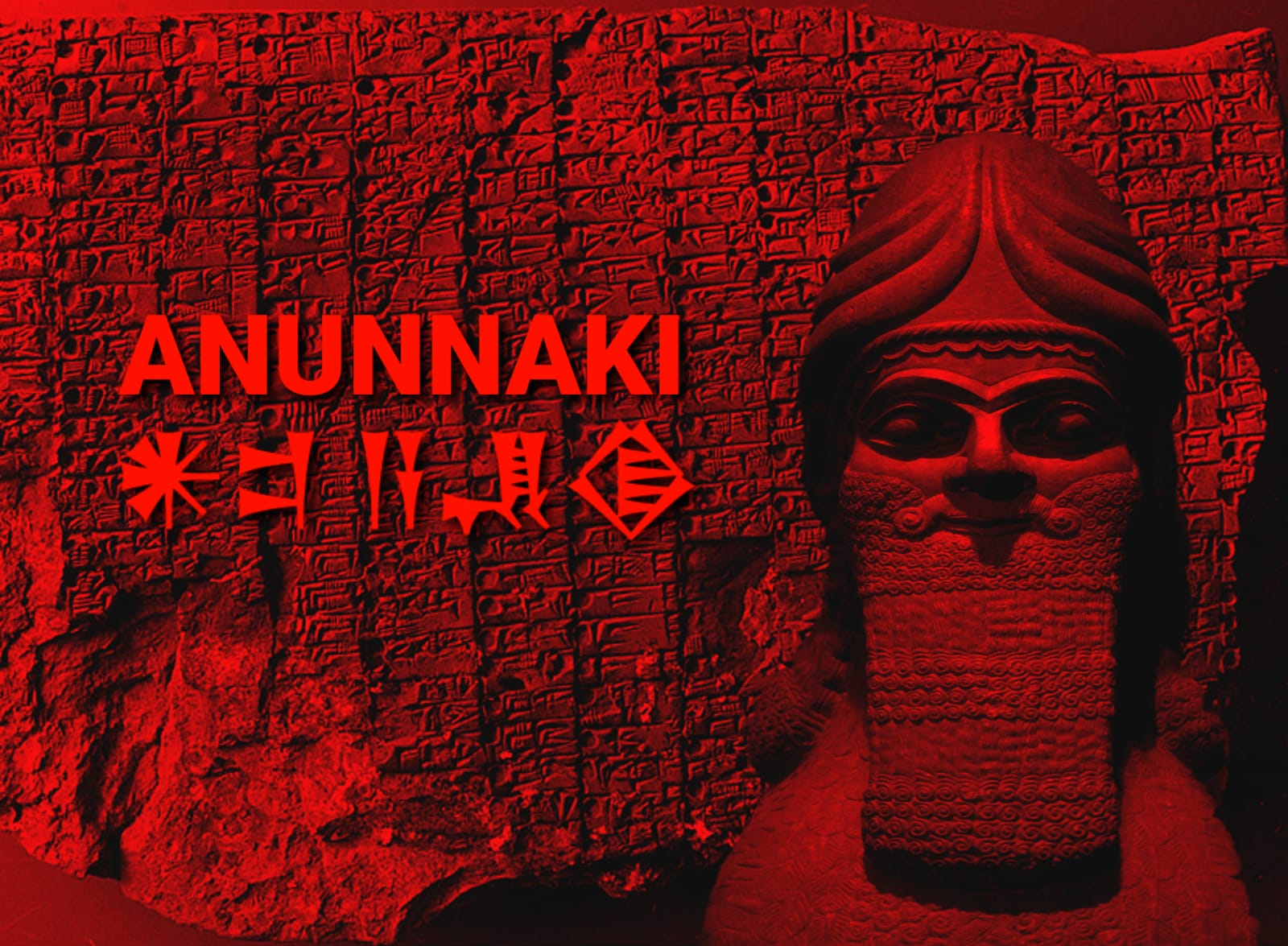
Sumerian was an isolated agglutinative language, meaning it did not belong to any known language family. It was spoken in Mesopotamia, a region located in what is now Iraq. The Sumerians were among the first people to develop a complex civilization, and they left behind a rich literature and extensive documentation in cuneiform script, one of the earliest known forms of writing.
Gold occupied a central place in Sumerian civilization. It was considered a precious and rare metal, and it was used in various contexts. The Sumerians made gold jewelry, temple decorations, and ritual objects. Gold was also used as currency and was a symbol of wealth and power.
The gold trade was also crucial to the Sumerians. They traded gold with other regions, which helped their economy grow. Sumerian texts often refer to gold as a valuable commodity, and it was used in trade with other civilizations in the region.
Religiously, gold was of great importance to the Sumerians. It was associated with their deities and was often offered as an offering in temples. The Sumerians believed that gold was a sacred material, and it was used in religious rituals and burial practices.
In short, gold occupied a significant place in Sumerian civilization, both economically and religiously. It was used in many aspects of daily life and was considered a symbol of wealth, power and divinity.
𒅆. This represents the word "kug", which means "gold" in Sumerian.
